Tea tree is one of the most recognisable scents in hair care. That crisp, slightly medicinal freshness has made tea tree shampoo a favourite for anyone who loves the feeling of a really clean scalp. But what is tea tree oil, what does the research say, and how do you get the best from a tea tree shampoo?
What is tea tree oil?
Tea tree oil is an essential oil distilled from the leaves of Melaleuca alternifolia, a plant native to Australia. Its main constituents include terpinen-4-ol, γ-terpinene and 1,8-cineole (de Groot and Schmidt, 2016). In shampoo it is used for its fresh, clean aroma, and it is often paired with other invigorating botanicals such as eucalyptus.
Why people love tea tree shampoo
That fresh, clean feeling
The main reason people reach for tea tree shampoo is the sensation. A good lather, a fresh scent and a thorough rinse can leave the scalp feeling clean and refreshed, especially if you use styling products, exercise often or simply prefer a crisp wash.
A scalp-first approach
Tea tree shampoos tend to be designed with the scalp in mind rather than just the lengths. That suits a scalp-first routine, where you focus your cleansing where oil and build-up collect.
A sensory ritual
Scent matters. Many people find a fresh, herbal aroma makes wash day feel more like a moment of self-care than a chore.
What does the research say?
Researchers have been interested in tea tree oil partly because of its antifungal activity in the laboratory against the yeast associated with dandruff. One frequently cited trial tested a shampoo containing 5% tea tree oil against a placebo in 126 people with mild to moderate dandruff. After four weeks of daily use, the tea tree group showed a 41% improvement in a dandruff severity score, compared with 11% for placebo, and no adverse effects were reported (Satchell et al., Journal of the American Academy of Dermatology, 2002).
It is worth reading that carefully:
- it was a single study, published more than 20 years ago;
- it used a specific shampoo with 5% tea tree oil;
- it looked at people with diagnosed dandruff, which is a skin condition.
So the findings do not mean that any shampoo containing tea tree will treat dandruff. Cosmetic tea tree shampoos, including ours, are designed to cleanse the scalp and leave it feeling fresh. They are not anti-dandruff treatments.
If you have dandruff, the NHS suggests anti-dandruff shampoos containing ingredients such as ketoconazole, coal tar or salicylic acid, and says a pharmacist can advise you on how to use them. See a GP if symptoms persist after at least four weeks, your scalp is very itchy, red or swollen, or you have itchy, flaky patches elsewhere (NHS: Dandruff).
Is tea tree suitable for everyone?
Not always. Tea tree oil is a natural ingredient, but natural does not mean free from sensitivities. A review of the published research found that, of all essential oils, tea tree has been linked to the most published allergic reactions. Fresh tea tree oil is considered a weak to moderate sensitiser, and it becomes more allergenic as it oxidises. Most reactions in that review were caused by applying the pure oil, with cosmetics responsible in a minority of cases (de Groot and Schmidt, 2016).
That is why we suggest:
- Never use undiluted tea tree oil on your scalp. Choose a properly formulated product.
- Patch test before first use, following the directions on the pack, particularly if you have known sensitivities to fragrance or essential oils.
- Store products well, in a cool, dry place with the cap closed, and follow any period-after-opening guidance on the pack.
- Stop using any product that causes redness, stinging or itching, and rinse with water. If a reaction does not settle, speak to a pharmacist or GP (NHS: Contact dermatitis).
- Keep it away from your eyes. If contact occurs, rinse immediately with plenty of water.
How to use tea tree shampoo well

- Wet your hair and scalp thoroughly with lukewarm water.
- Apply shampoo to the scalp, not just the lengths.
- Massage with your fingertips in small, gentle circles, working up a lather. Avoid scratching with your nails.
- Rinse thoroughly, until the water runs clear and no residue remains.
- Condition the mid-lengths and ends, where hair is oldest and most in need of softness.
How often? As often as suits your hair and scalp. There is no need to wash every day unless you want to.
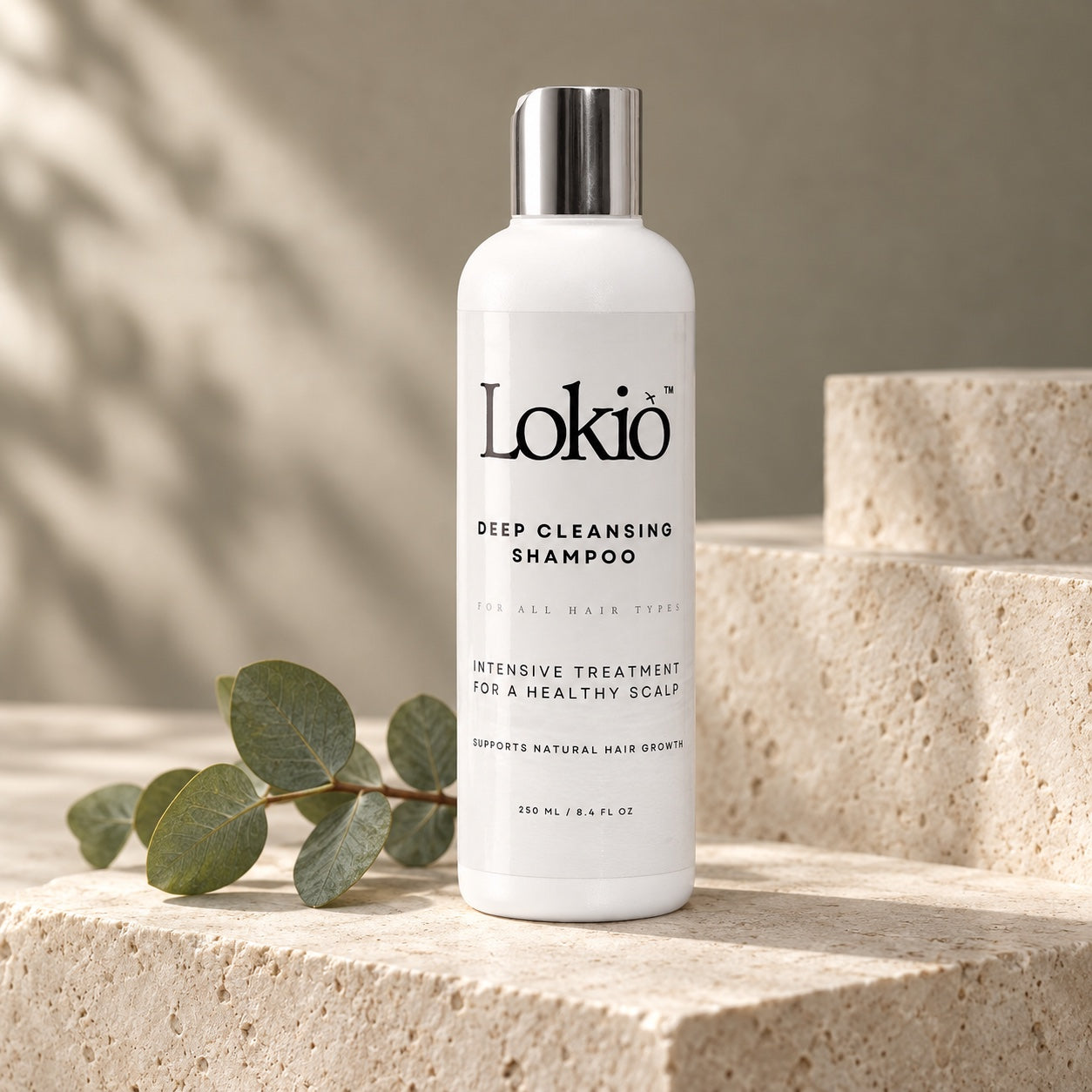
Lokio Deep Cleansing Shampoo
Our Deep Cleansing Shampoo is a botanical shampoo that cleanses the scalp and lifts away everyday build-up, so wash day starts with a clean scalp. Its key ingredients are:
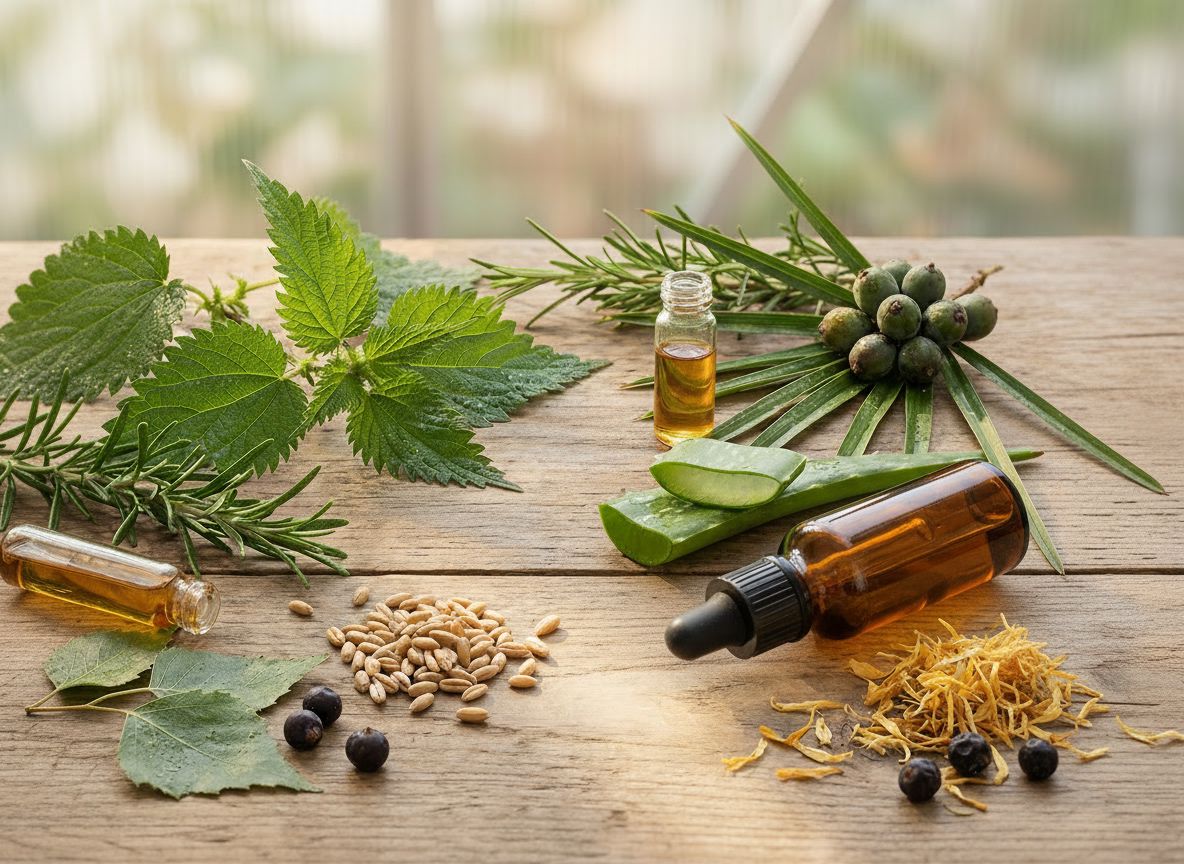
- Tea tree essential oil: a familiar scalp-care botanical with a fresh, clean aroma, chosen to leave the scalp feeling fresh after cleansing.
- Eucalyptus essential oil: brings a cool, invigorating freshness to the lather.
- Juniperberry essential oil: a crisp, clean scent that brings freshness to wash time.
- Cade oil: a traditional oil from the wood of the prickly juniper, with a smoky, earthy character.
It is vegan, cruelty-free, made without sulphates, parabens or silicones, and formulated and made in the UK. These are key ingredients only, so please check the full list on your pack before use.
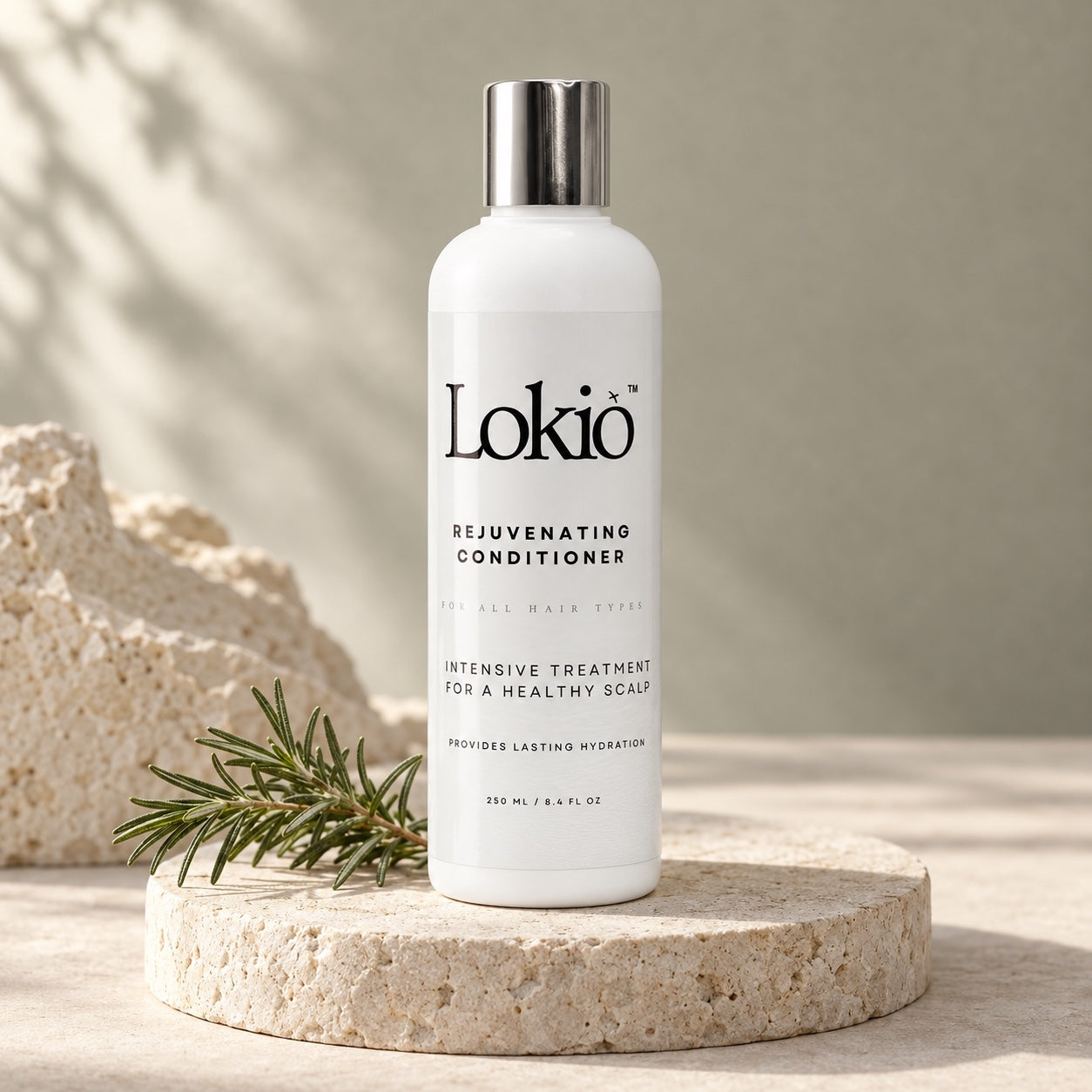
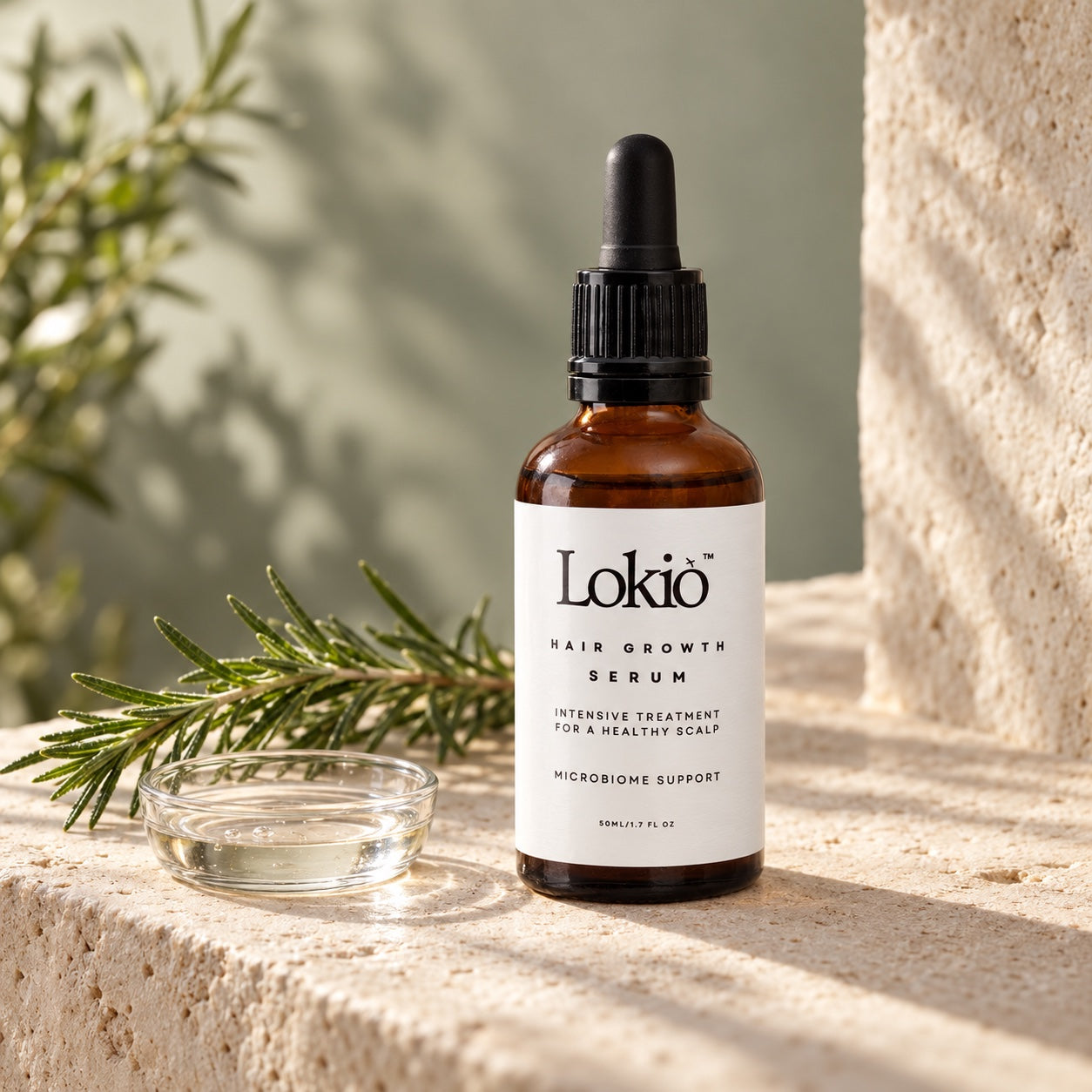
Massage into wet hair, lather and rinse thoroughly, then follow with our Rejuvenating Conditioner on the lengths and ends. For a daily scalp step between washes, add the lightweight, leave-in Serum. All three come together in the Complete Care Bundle.
Discover how the steps fit together on The Ritual, or explore every key ingredient on our ingredients page.
The takeaway
A well-formulated tea tree shampoo is a lovely way to give your scalp a fresh, clean-feeling start. Enjoy it for what it is: a cleansing, sensory wash-day step. Patch test first, use it on the scalp, rinse well, and if you have persistent flaking or itching, speak to a pharmacist rather than relying on a cosmetic shampoo.
Frequently asked questions
What does tea tree shampoo do?
A tea tree shampoo cleanses the scalp and hair, lifts away everyday build-up and leaves the scalp feeling fresh, with a crisp, clean scent.
Is tea tree shampoo good for dandruff?
One study found a shampoo with 5% tea tree oil improved mild to moderate dandruff compared with placebo. Cosmetic tea tree shampoos, including Lokio's, are not anti-dandruff treatments. For dandruff, ask a pharmacist about anti-dandruff shampoos.
Can I use tea tree shampoo every day?
You can wash as often as suits your hair and scalp. Follow the pack directions, and stop if you notice irritation.
Can tea tree oil cause a reaction?
Yes, in some people. Tea tree oil is a known cause of allergic contact dermatitis, particularly when used neat or when oxidised. Patch test before first use.
Is tea tree shampoo suitable for coloured hair?
Check the product's pack directions. Our Deep Cleansing Shampoo is labelled for all hair types. If your hair is colour-treated, patch test on a single strand first.