Rosemary has been part of hair care for a very long time, and in recent years rosemary oil for hair has become one of the most talked-about topics online. Videos promise dramatic before-and-afters, and bottles of rosemary oil sell out. So what does the research actually say, and how can you use rosemary sensibly as part of a calm, scalp-first routine?
This guide looks at the evidence honestly, including what it does not tell us.
What is rosemary oil?
Rosemary (Rosmarinus officinalis, now often classified as Salvia rosmarinus) is an aromatic evergreen herb. In hair care you will usually see it in two forms:
- Rosemary essential oil: a concentrated, volatile oil distilled from the leaves. It is potent and should not be applied neat to the skin.
- Rosemary extract: a plant extract used within a formula, often for its herbal character.
Both turn up in shampoos, conditioners, scalp oils and serums, usually as one ingredient among many.
What the evidence says
Most of the online interest in rosemary oil traces back to a single study.
In 2015, researchers in Iran published a randomised trial comparing rosemary oil with 2% minoxidil in 100 people diagnosed with androgenetic alopecia (pattern hair loss). Fifty people used rosemary oil and fifty used minoxidil for six months. Neither group showed a significant change in hair count at three months. At six months, both groups showed an increase in hair count compared with the start, and the researchers found no significant difference between the two groups. Scalp itching was reported in both groups, and was more frequent with minoxidil (Panahi et al., Skinmed, 2015).
That is interesting, but it is important to keep it in perspective:
- It is one relatively small study. A single trial of 100 people is a starting point, not settled science.
- There was no placebo group. Without one, it is harder to know how much change would have happened anyway.
- It studied a diagnosed medical condition using a specific preparation and method, so the findings cannot simply be applied to any rosemary product.
- Six months is a short time for hair research, and longer-term results were not reported.
More recent reviews of herbal ingredients in hair research, including rosemary, describe some promising early findings but stress study design limitations and the need for more rigorous, standardised research (Allam et al., 2025).
The fair summary is this: rosemary is a well-loved botanical with a long tradition in hair care, and researchers are interested in it, but the evidence is limited. It is not a proven treatment for hair loss, and no cosmetic product containing rosemary should be sold as one.
If you are worried about hair loss
Losing between 50 and 100 hairs a day is normal, and hair loss is not usually anything to be worried about. Occasionally, though, it can be a sign of a medical condition. The NHS advises seeing a GP if you are worried about your hair loss, and getting an idea of the cause before thinking about a commercial hair clinic (NHS: Hair loss).
A GP, pharmacist or trichologist can help you understand what is going on and talk you through options that have been properly assessed. Cosmetic hair care, including anything with rosemary, is about caring for your scalp and hair. It is not a substitute for that advice.
How to use rosemary in your hair care

If you enjoy rosemary and want to include it in your routine, a few simple principles help.
Never apply essential oil neat
Rosemary essential oil is concentrated. If you are making your own scalp oil, it needs to be well diluted in a carrier oil, and the safest choice for most people is a ready-made, properly formulated product. Essential oils can cause allergic contact dermatitis in some people, and "natural" does not automatically mean gentle (Sindle and Martin, 2021).
Patch test first
Before using a new product, especially one with essential oils, follow the patch test directions on the pack. If you notice redness, itching or irritation, stop using it and rinse with water. If a reaction does not settle, speak to a pharmacist or GP (NHS: Contact dermatitis).
Keep it away from your eyes
Apply carefully and wash your hands afterwards. If any product gets into your eyes, rinse immediately with plenty of water.
Be consistent, and be patient
Hair care is a routine, not a quick fix. Whatever you use, a regular, gentle approach that keeps your scalp clean and comfortable is more useful than chasing dramatic results.
Take extra care if you have specific circumstances
If you are pregnant or breastfeeding, have a skin condition, or are using medicated scalp treatments, ask a pharmacist or GP before adding essential oil products to your routine.
Where rosemary sits in the Lokio routine
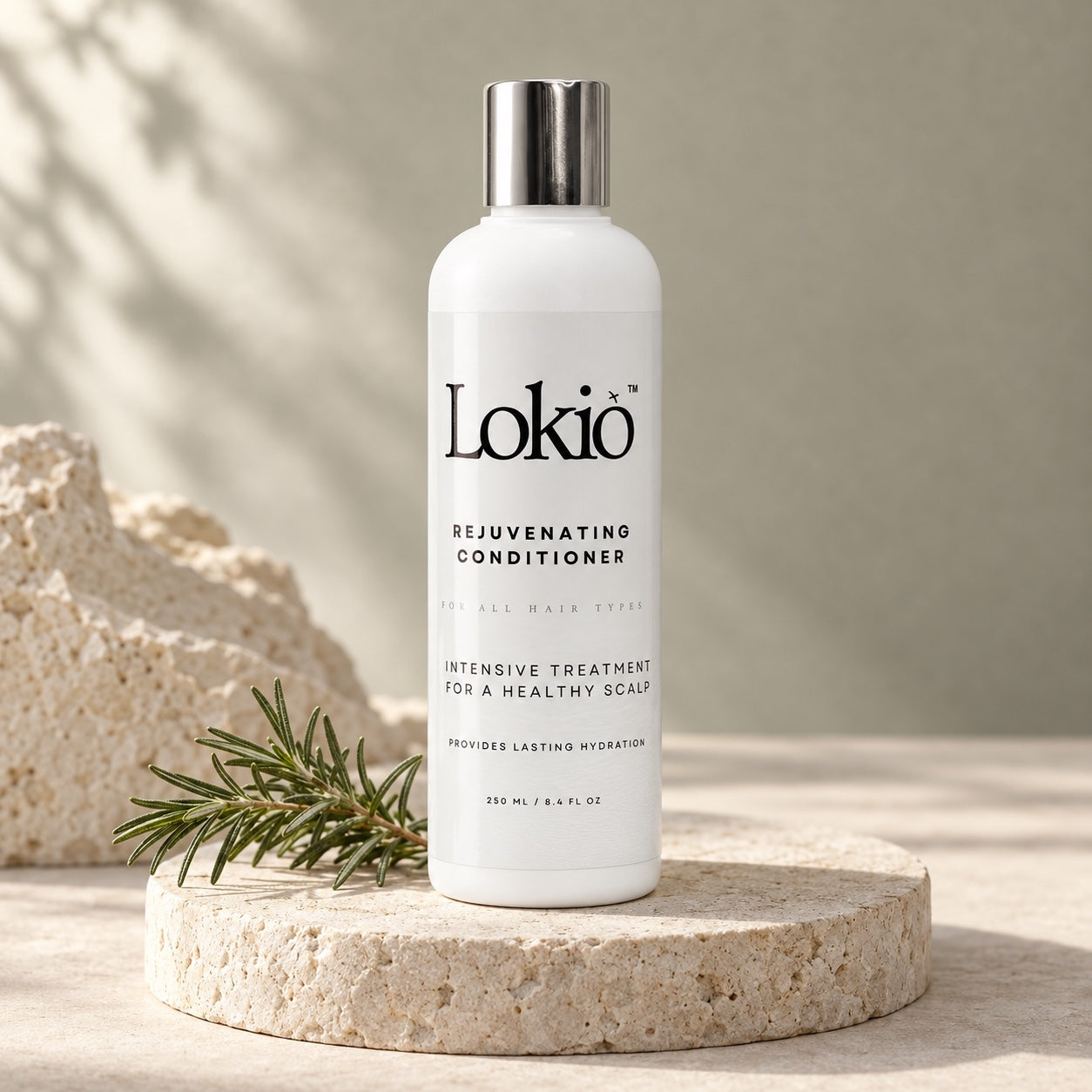
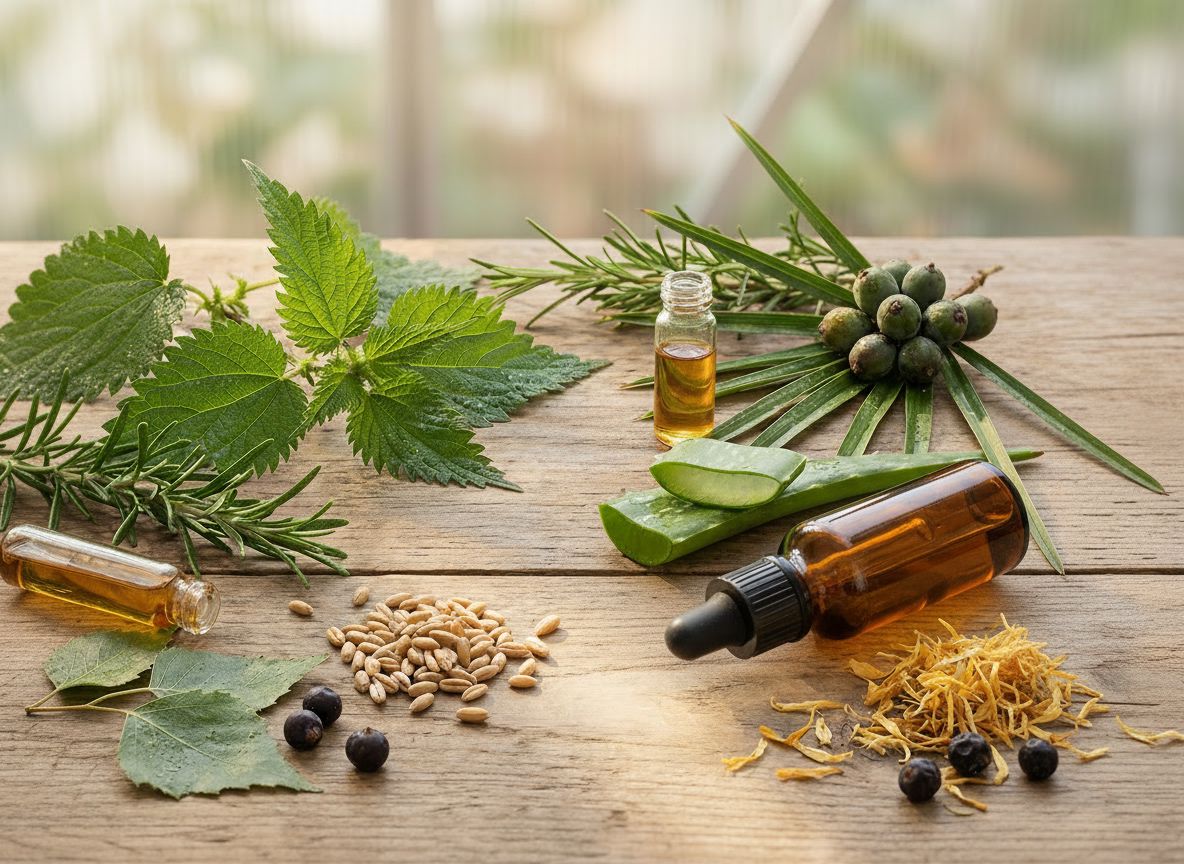
At Lokio, rosemary extract and rosemary essential oil are among the key ingredients in our Rejuvenating Conditioner, alongside silver birch leaf extract, calendula-infused oil and wheatgerm oil. It is there for its herbal character, as part of a conditioner that cares for the lengths and ends and leaves hair soft and manageable.
The conditioner is one step in a simple three-part routine:
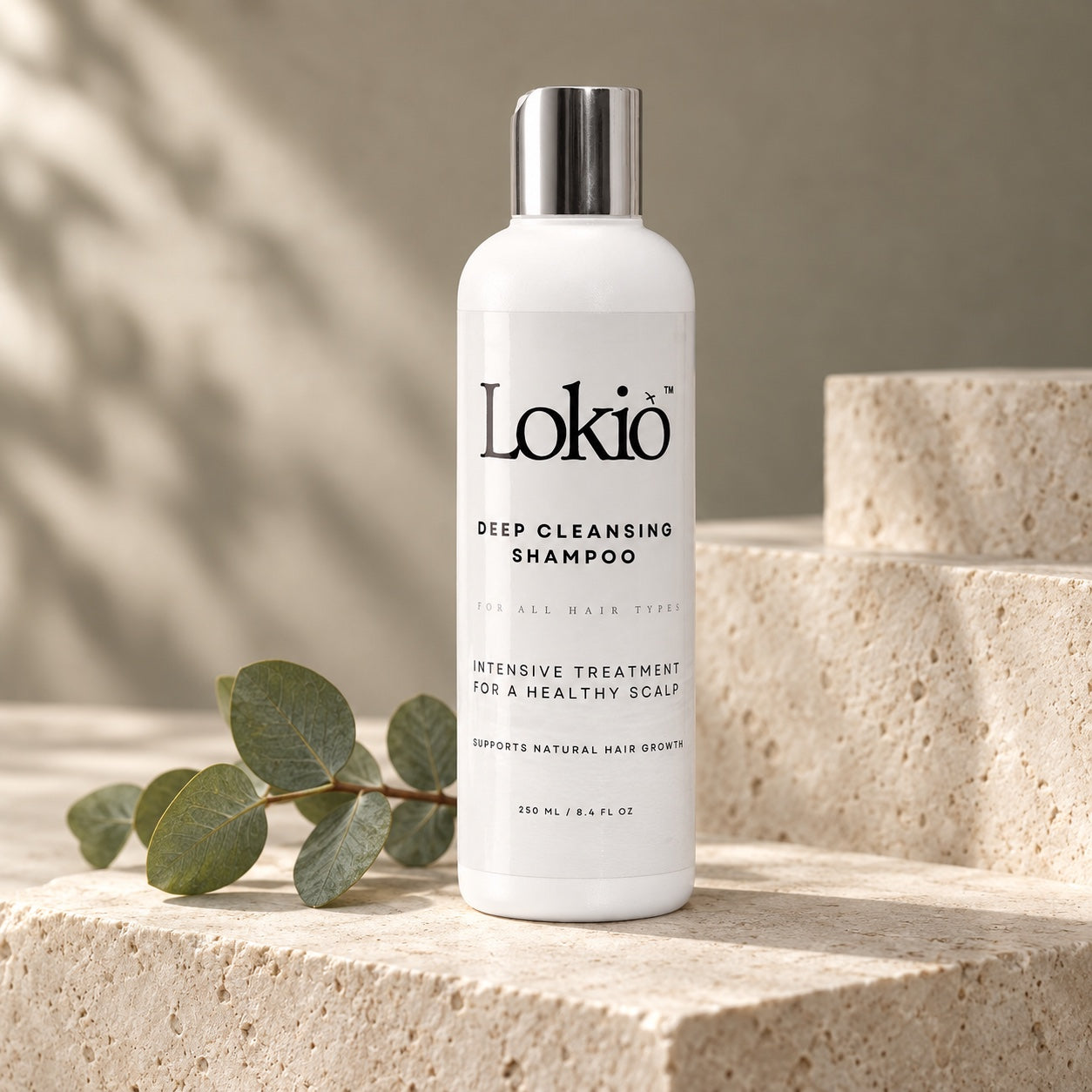
- Cleanse with the Deep Cleansing Shampoo, which lifts away everyday build-up so wash day starts with a clean scalp.
- Condition with the Rejuvenating Conditioner. Apply to the ends of freshly washed, wet hair, leave for 2–3 minutes and rinse thoroughly.
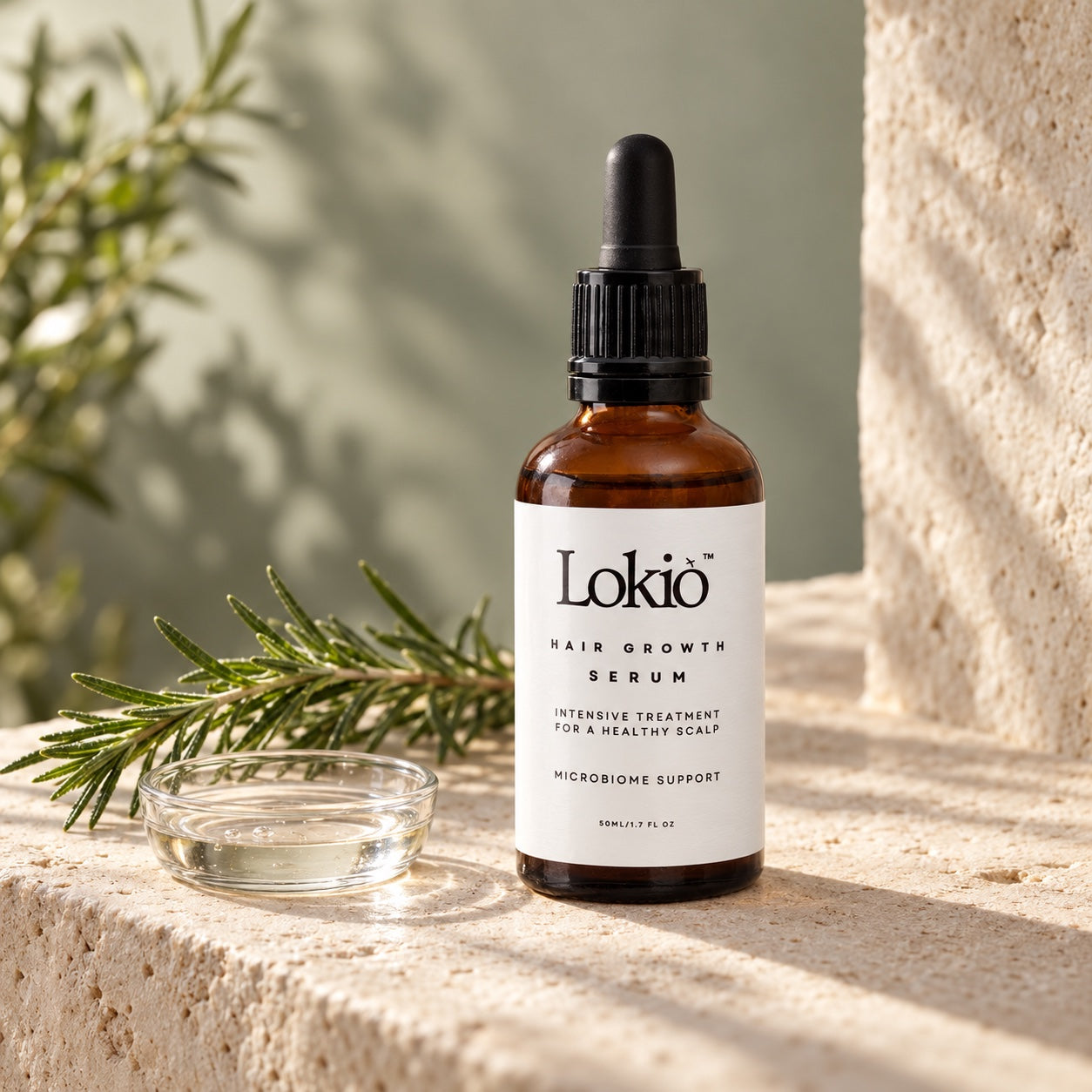
- Daily scalp care with the lightweight, leave-in Serum. Apply approximately 15 drops to the scalp, massage gently and leave on.
You can read more about how the steps fit together on The Ritual page, and see every key ingredient on our ingredients page. As always, check the full ingredient list on your pack before use.
The takeaway
Rosemary is a lovely botanical with a long history in hair care, and early research has made it popular. But one small study is not proof, and rosemary is not a treatment for hair loss. Use it, if you enjoy it, in well-formulated products, patch test first, and treat your scalp care as a calm, consistent routine. If you are concerned about your hair, the best first step is a conversation with your GP or a trichologist.
Frequently asked questions
Does rosemary oil make hair grow?
There is not enough evidence to say so. One 2015 trial in people with pattern hair loss reported similar changes with rosemary oil and 2% minoxidil after six months, but it was small and had no placebo group. Rosemary should not be relied on as a hair loss treatment.
Can I put rosemary essential oil directly on my scalp?
No. Essential oils are concentrated and should always be diluted. A properly formulated product is the simplest option. Patch test first and stop if you notice irritation.
How often should I use rosemary products?
Follow the directions on the pack. For our Rejuvenating Conditioner, that means using it on wash days after shampoo, leaving it for 2–3 minutes and rinsing.
Is rosemary suitable for everyone?
Not necessarily. Botanical ingredients, including essential oils, can cause reactions in some people. Check the full ingredient list, patch test, and speak to a pharmacist or GP if you have a skin condition or are pregnant or breastfeeding.
Who should I talk to about thinning hair?
Start with your GP, who can help identify possible causes. A pharmacist or trichologist can also offer guidance.