Read the back of almost any modern scalp serum and you are likely to see some familiar names: nettle, saw palmetto, biotin and panthenol. They appear so often that it is easy to assume they come with a long list of proven benefits. The reality is more nuanced.
This guide explains what each ingredient is, why it shows up in hair and scalp care, and what the research does and does not tell us, so you can make calm, informed choices.
A quick note on cosmetics and claims
In the UK, shampoos, conditioners and serums like ours are cosmetics. Their job is to cleanse, condition, care for and help keep the scalp and hair in good condition. They are not medicines, and they cannot treat hair loss or any medical condition.
Much of the research online looks at these ingredients in medicines or supplements, often in people with diagnosed conditions. Those results do not transfer neatly to a cosmetic. If you are concerned about hair loss, the NHS advises seeing a GP (NHS: Hair loss).
Nettle
What it is
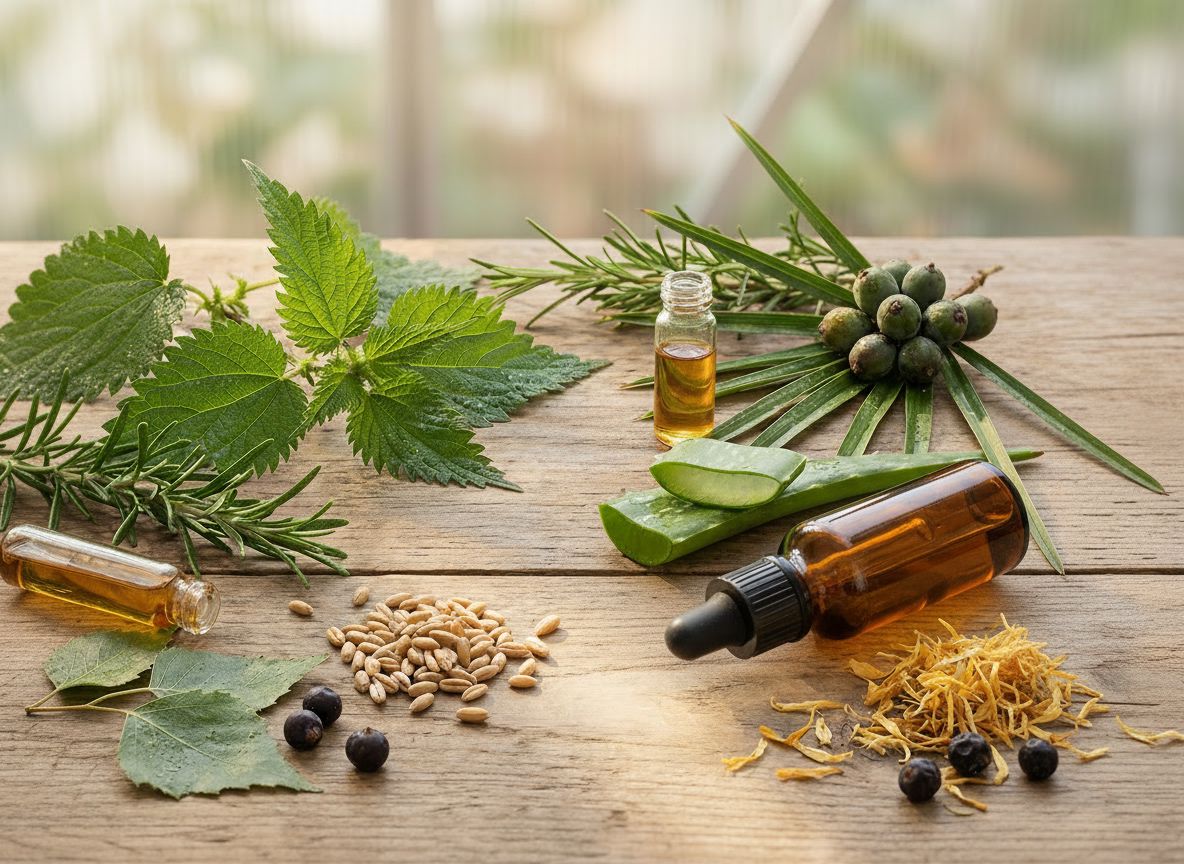
Stinging nettle (Urtica dioica) is a common European plant with a long history in traditional herbal practice. In hair care, it usually appears as a nettle leaf or herb extract.
Why it is used in hair care
Nettle is a traditional botanical in scalp care, valued as part of herbal blends and for its heritage in European hair care traditions.
What the research says
Nettle is one of many plant extracts that researchers have discussed in reviews of natural ingredients and hair (Gasmi et al., 2023). However, much of that work is early-stage, and good-quality human studies of nettle applied to the scalp are limited. It is best thought of as a traditional botanical within a scalp-care formula, not an ingredient with proven effects on hair growth.
Saw palmetto
What it is
Saw palmetto (Serenoa repens) is a small palm native to the south-eastern United States. Extracts are made from its berries.
Why it is used in hair care
Saw palmetto has become a popular botanical in scalp-care formulas, largely because of interest from researchers and in the supplement market.
What the research says
A 2020 systematic review looked at published studies of supplements containing saw palmetto, taken orally or applied topically, in people with hair loss conditions. It found five randomised trials and two cohort studies reporting positive effects, and saw palmetto was generally well tolerated. But the authors were clear that robust, high-quality data are lacking, and that larger trials are needed to understand the contribution of saw palmetto on its own, as many of the products studied contained several ingredients (Evron et al., Skin Appendage Disorders, 2020).
You may see saw palmetto marketed with claims about hormones or about stopping hair loss. Those are medicinal claims. They are not supported by strong evidence, and they are not appropriate for a cosmetic. In our Serum, saw palmetto is simply part of a botanical blend for daily scalp care.
If you are taking any medication, are pregnant or breastfeeding, or are considering saw palmetto supplements, speak to a pharmacist or GP first.
Biotin (vitamin B7)
What it is
Biotin is a B vitamin. The body needs it in very small amounts, and the NHS notes that you should be able to get all the biotin you need from a varied and balanced diet (NHS: Vitamin B).
Why it is used in hair care
Biotin is one of the best-known names in hair care, and it is often included in shampoos, serums and supplements. In a topical formula, it is a vitamin ingredient alongside others.
What the research says
A 2017 review of the evidence found that every reported case of biotin helping hair or nails involved people with an underlying issue, such as a biotin deficiency. The authors concluded that research demonstrating the efficacy of biotin is limited, and that there is a lack of sufficient evidence for biotin supplements in healthy people (Patel et al., Skin Appendage Disorders, 2017).
A note on supplements: the NHS advises that taking 0.9mg or less of biotin a day in supplements is unlikely to cause harm, and that you should not take too much (NHS: Vitamin B).
Panthenol (provitamin B5)

What it is
Panthenol, often listed as DL-panthenol or D-panthenol, is a provitamin form of vitamin B5.
Why it is used in hair care
It is a familiar conditioning ingredient found in many shampoos, conditioners and leave-in products. It helps the scalp and hair hold on to moisture, which is why it often features in formulas designed to leave hair feeling soft and the scalp feeling comfortable.
Using these ingredients sensibly
- Think routine, not miracle ingredient. No single ingredient transforms hair. A consistent routine that keeps the scalp clean and the lengths conditioned is what helps hair look its best.
- Check the full ingredient list. Ingredient highlights on any product are not the full picture.
- Patch test before first use, especially if you have sensitive skin or known allergies to plants.
- Be cautious about "stacking". If you are taking supplements as well as using topical products, speak to a pharmacist about what is appropriate for you.
- Get advice for hair loss. For sudden, patchy or unexplained hair loss, see your GP. A pharmacist or trichologist can also help. The Institute of Trichologists can help you find a qualified trichologist.
Where you will find them at Lokio
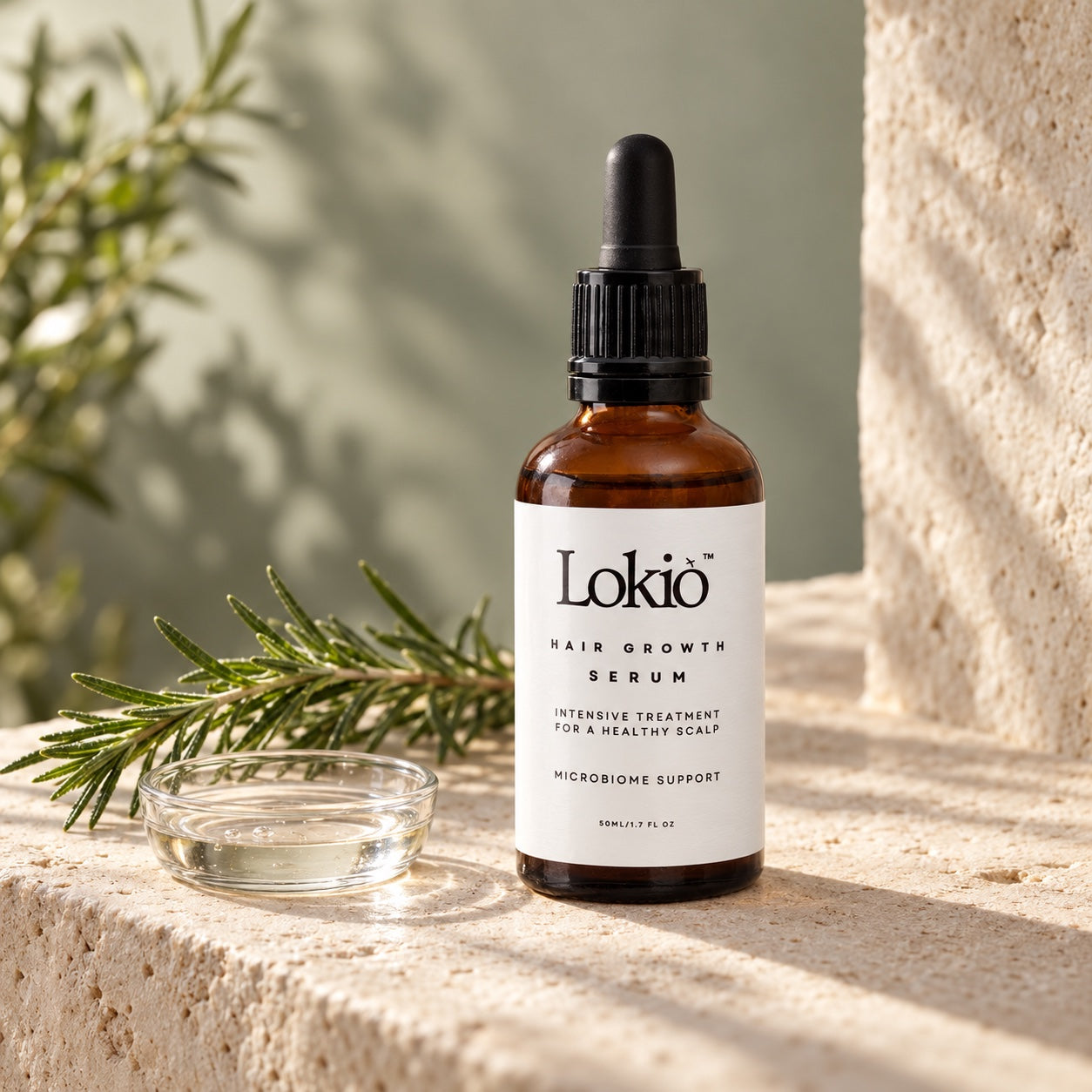
Nettle herb extract, saw palmetto extract, D-biotin (vitamin B7), DL-panthenol (provitamin B5) and a vitamin B complex are the key ingredients in our Serum, a lightweight, non-greasy leave-in for daily scalp care. Apply approximately 15 drops directly to the scalp, massage gently and leave on. Do not rinse.
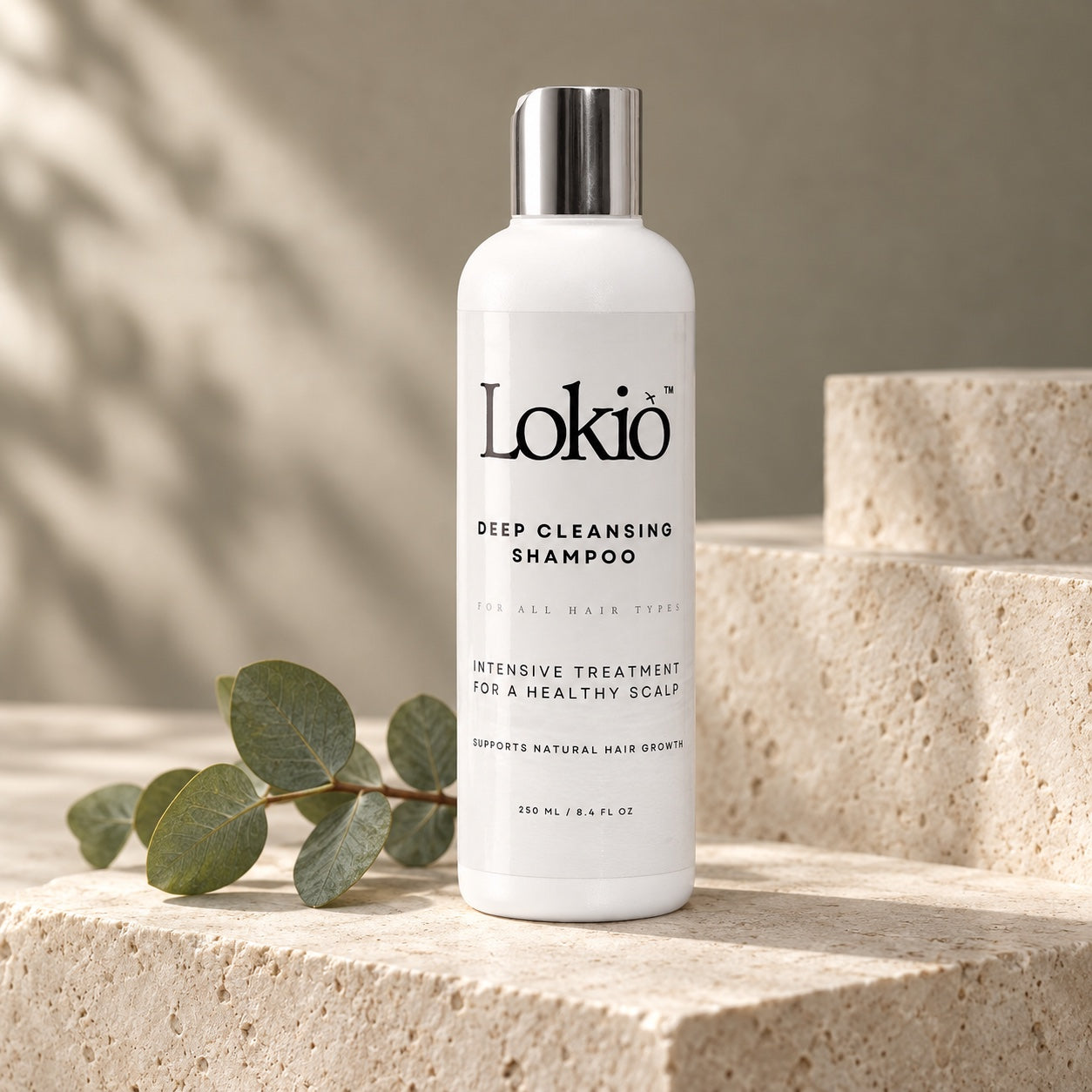
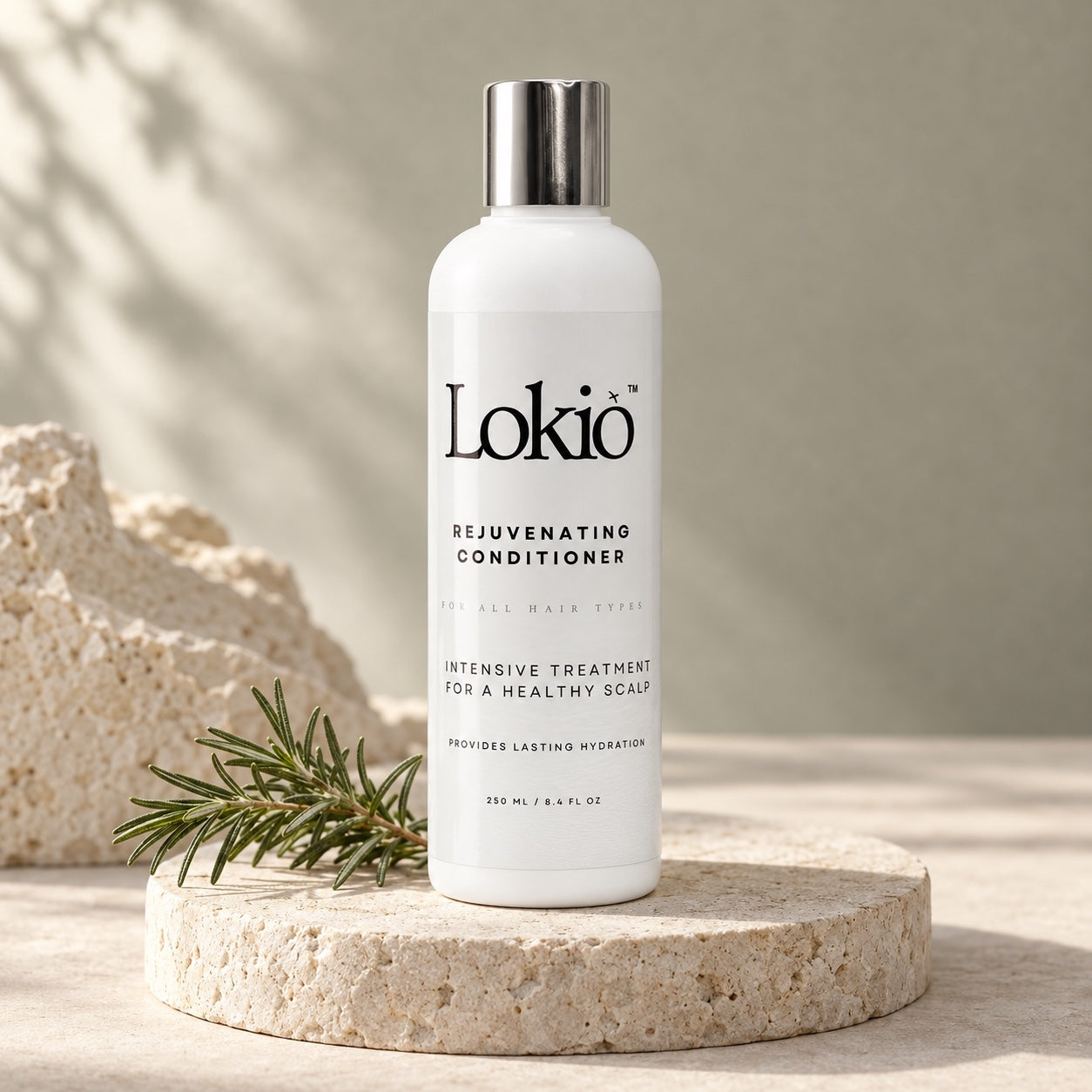
The Serum is the daily step in a three-part routine, alongside the Deep Cleansing Shampoo and Rejuvenating Conditioner. You can buy all three together in the Complete Care Bundle. See how the steps work together on The Ritual, and explore every key ingredient on our ingredients page.
The takeaway
Nettle, saw palmetto, biotin and panthenol are all familiar, well-loved names in scalp care. Panthenol is a reliable conditioning ingredient; nettle and saw palmetto are traditional botanicals that researchers continue to study; and biotin's popularity has run well ahead of the evidence for people who are not deficient. Enjoy them as part of a considered, consistent routine, and take any concerns about hair loss to a GP, pharmacist or trichologist.
Frequently asked questions
Does saw palmetto stop hair loss?
There is not enough high-quality evidence to say so. A 2020 systematic review found some positive results from mostly supplement-based studies, but concluded that robust, high-quality data are lacking. Cosmetic products containing saw palmetto should not be used as a hair loss treatment.
Does biotin make hair grow faster?
Evidence for biotin in healthy people is limited. Reported benefits have mainly been in people with an underlying problem, such as biotin deficiency, which is uncommon.
Is nettle good for the scalp?
Nettle is a traditional botanical in scalp care. Good-quality human studies of nettle applied to the scalp are limited, so it is best viewed as part of a botanical blend.
What does panthenol do in hair care?
Panthenol is a conditioning ingredient that helps the scalp and hair hold on to moisture.
Can I use a serum with these ingredients if I am pregnant?
Check the full ingredient list and speak to your GP, midwife or pharmacist before use.