A tight, itchy or flaky scalp is one of the most common hair care frustrations. It can be distracting at work, make you self-conscious about dark clothes and leave you trying product after product. If you have been searching for a dry scalp treatment or an itchy scalp shampoo, it helps to start with a simple question: what is actually going on?
This guide explains some common causes, a calm everyday routine for a fresh, clean-feeling scalp, and when it is time to speak to a pharmacist or GP. It is general information, not medical advice.
Dry scalp, dandruff or something else?
Not every itchy, flaky scalp has the same cause, and the right approach depends on which it is.
A dry, tight-feeling scalp
Just like the skin elsewhere on your body, your scalp can feel dry and tight, for example in cold weather, with central heating, after very hot showers or when using products that do not suit you. Flakes tend to be small and fine.
Dandruff
The NHS describes dandruff as a common skin condition that is not harmful and cannot be caught. It causes white flakes of skin on the scalp and in the hair, and the scalp may also feel dry and itchy. Dandruff is not caused by poor hygiene, although it may be more noticeable if you do not wash your hair regularly. It may be linked to a type of yeast that lives naturally on the skin, and to skin conditions such as eczema. Stress and cold weather may make it worse (NHS: Dandruff).
A reaction to a product
Red, irritated skin, sometimes with blisters or cracked skin, can be a reaction to products such as hair dye, sprays, gels or mousses. This is called contact dermatitis (NHS: Dandruff; NHS: Contact dermatitis).
Other causes
Itching and flaking can also come from conditions such as seborrhoeic dermatitis, eczema, psoriasis or scalp ringworm, and itching can be caused by head lice (NHS: Dandruff; NHS: Itchy skin; NHS: Head lice and nits). These need the right diagnosis and treatment, which is why it is worth getting advice if things do not improve.
When to see a pharmacist
A pharmacist is a great first stop for scalp concerns. For dandruff, the NHS suggests trying an anti-dandruff shampoo containing one or more of ketoconazole, coal tar or salicylic acid, and says a pharmacist can tell you how to use it. It recommends using the shampoo for up to four weeks to see whether things improve, and notes you may need to try more than one type (NHS: Dandruff).
For itchy skin generally, a pharmacist can recommend suitable products and tell you whether you need to see a GP (NHS: Itchy skin).
When to see a GP
The NHS advises seeing a GP if:
- you still have dandruff after using an anti-dandruff shampoo for at least four weeks;
- your dandruff is bad or your scalp is very itchy;
- your scalp is red or swollen;
- you have flaky, itchy patches on your face or other parts of your body (NHS: Dandruff).
Also see a GP if itching is affecting your daily life, keeps coming back, is severe, or comes with a new rash, lump or swelling, or with patchy hair loss (NHS: Itchy skin).
A cosmetic shampoo, Lokio's included, is not a treatment for dandruff, dermatitis, psoriasis or any other scalp condition.
A simple everyday routine for a comfortable-feeling scalp

If your scalp simply feels a little dry, tight or in need of a refresh, a gentle, consistent routine can make wash day feel better.
Keep the water lukewarm
The NHS suggests cool or lukewarm showers, and not spending a long time in the shower, for itchy skin (NHS: Itchy skin). Very hot water can leave skin feeling tight.
Cleanse the scalp, not just the hair
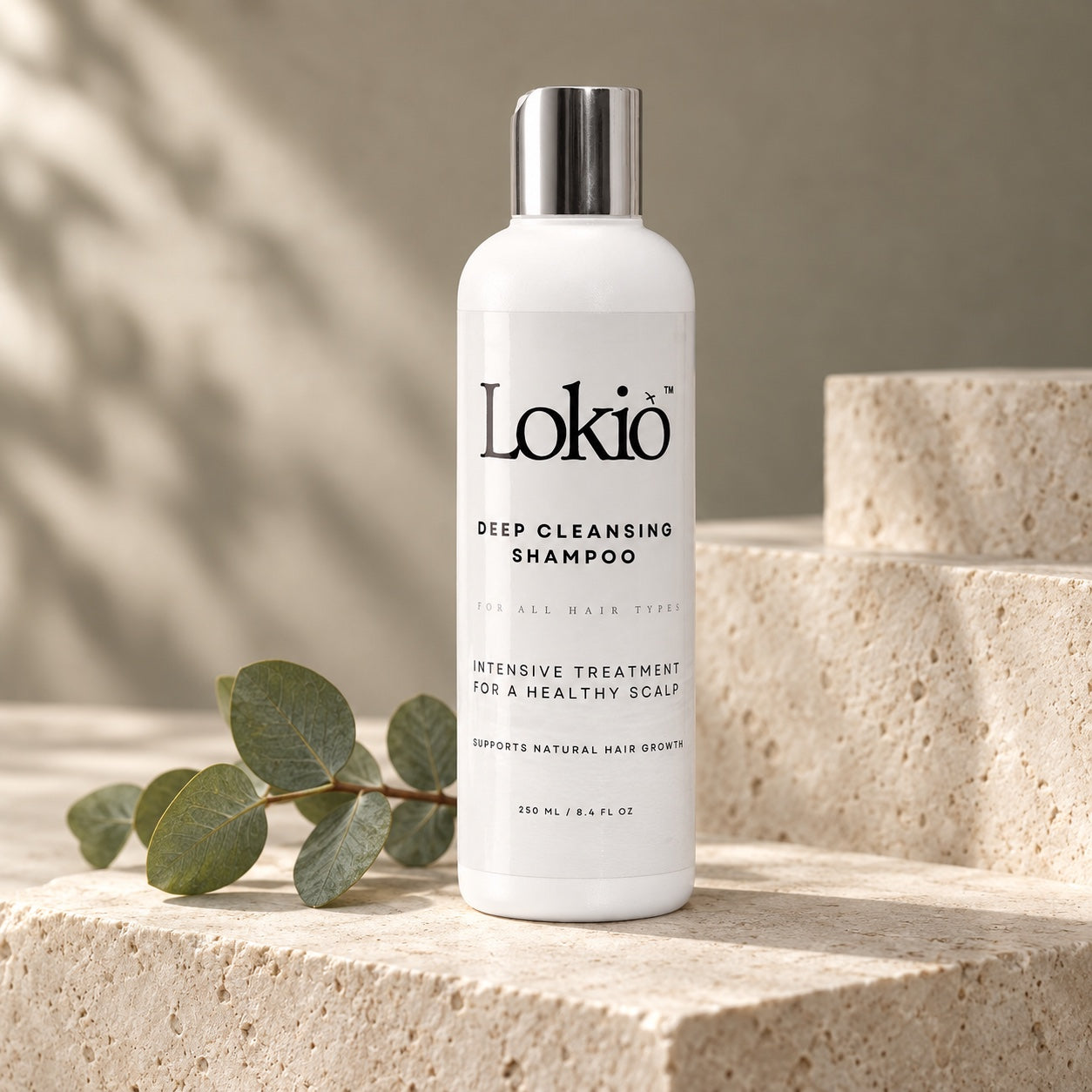
Focus your shampoo on the scalp, where oil and product build-up collect. Massage with the pads of your fingertips rather than your nails, then rinse thoroughly so no residue is left behind. Our Deep Cleansing Shampoo is a botanical shampoo with tea tree, eucalyptus, juniperberry and cade oils. It lifts away everyday build-up and leaves the scalp feeling fresh, and it is made without sulphates, parabens or silicones.
Condition the lengths
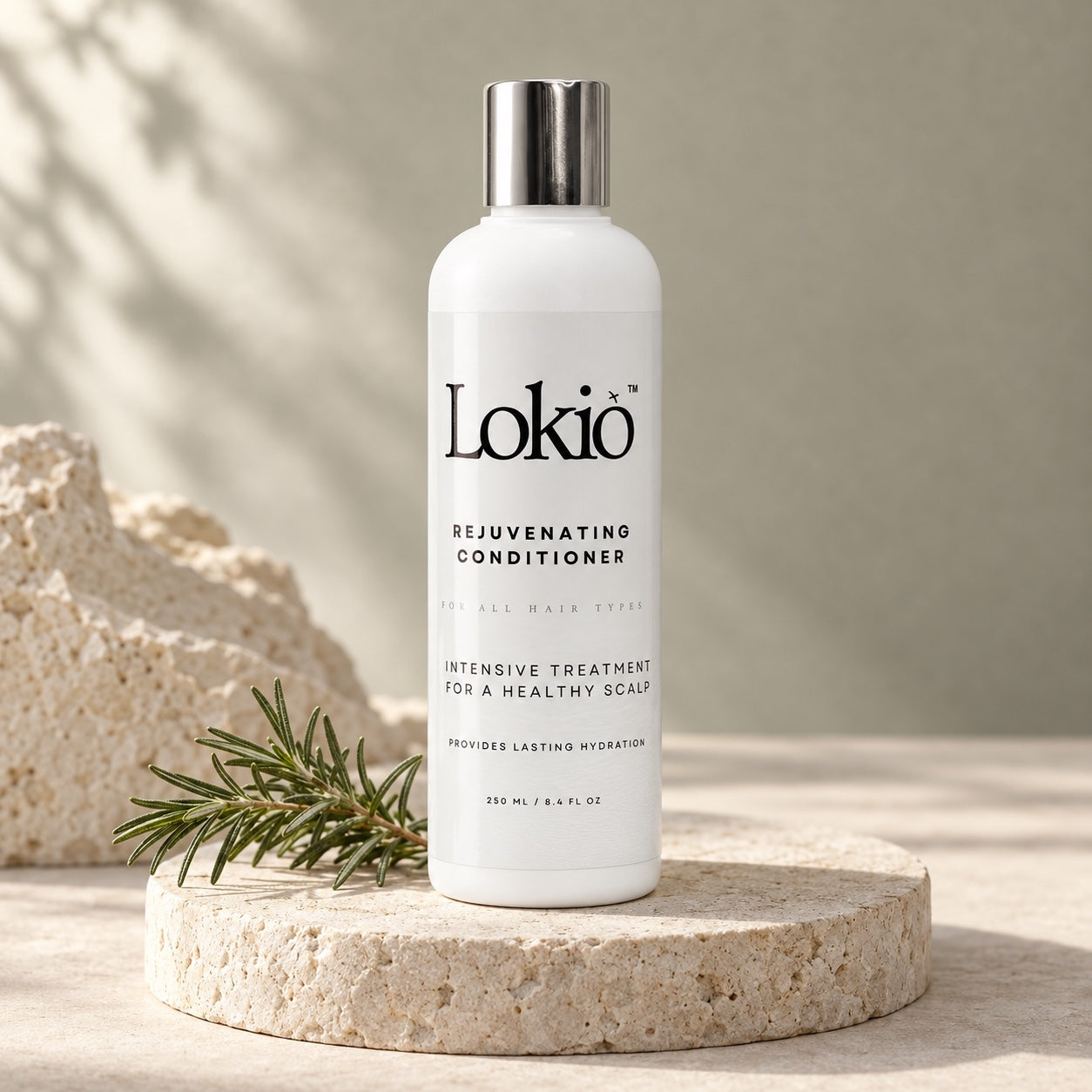
Apply conditioner to the mid-lengths and ends rather than the roots, so the scalp does not feel weighed down. Our Rejuvenating Conditioner leaves hair soft and manageable. Leave for 2–3 minutes and rinse thoroughly.
Add a light, daily scalp step
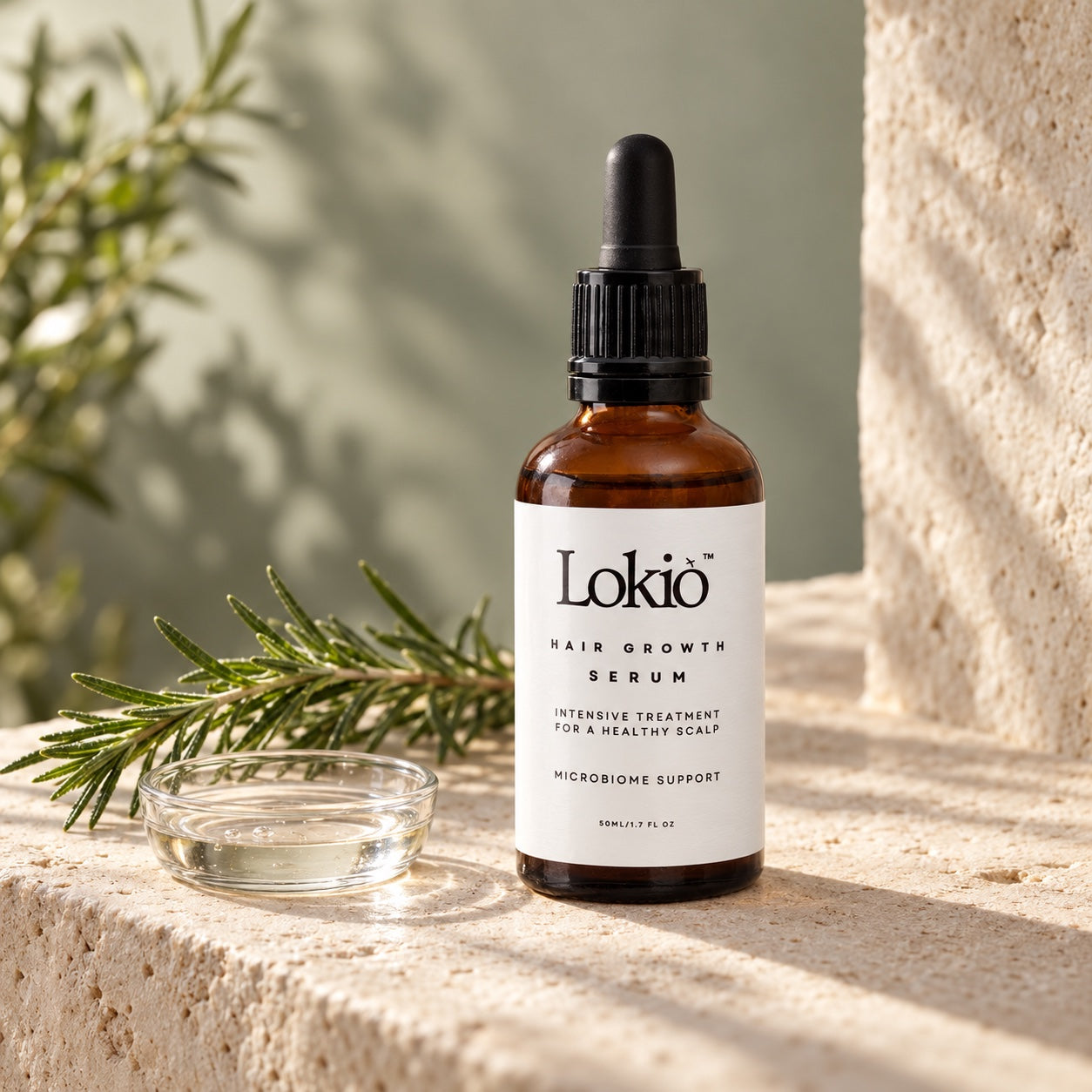
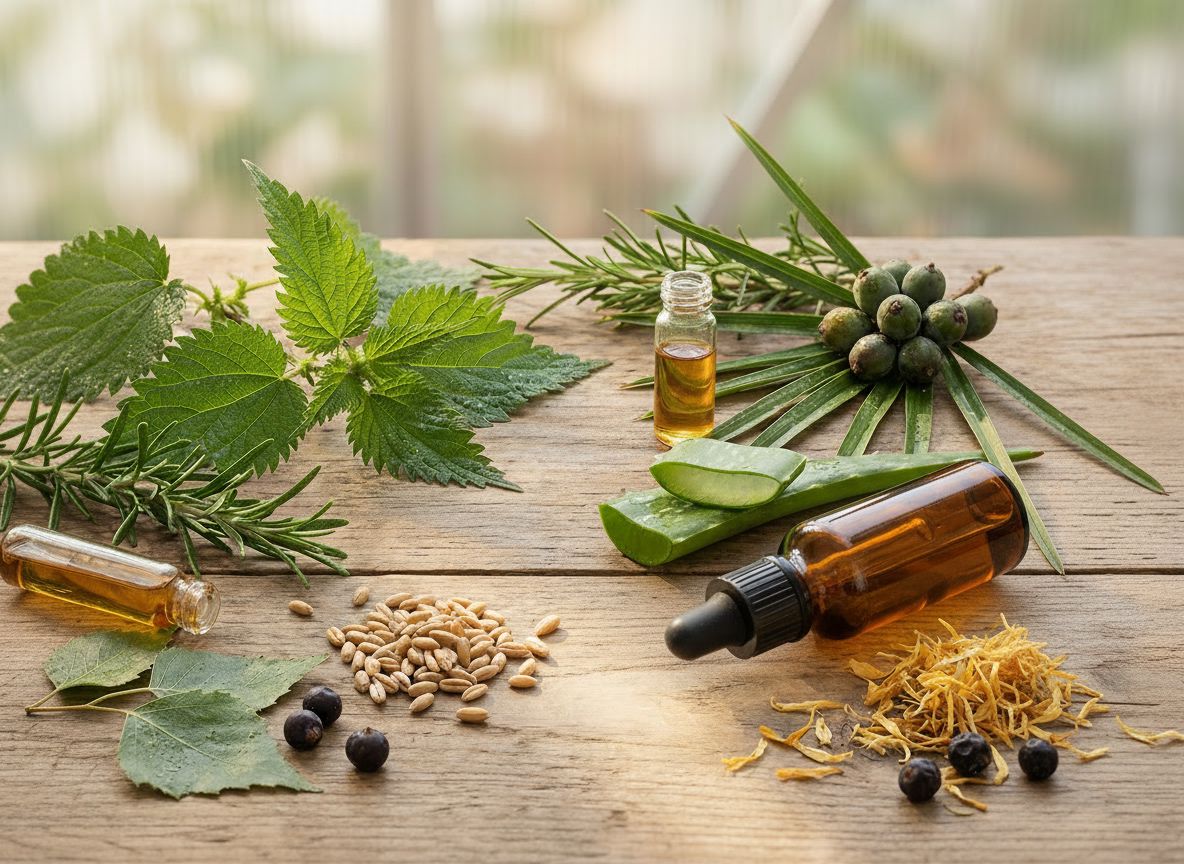
A lightweight leave-in can become a soothing daily habit. Our Serum contains panthenol (provitamin B5), a conditioning ingredient that helps the scalp and hair hold on to moisture, alongside nettle, saw palmetto and biotin. Apply approximately 15 drops directly to the scalp, massage gently and leave on.
See the full routine on The Ritual, and every key ingredient on our ingredients page.
Be careful with fragrance and essential oils
Essential oils, including tea tree, can cause allergic reactions in some people. Fresh tea tree oil is considered a weak to moderate sensitiser, and oxidation makes it more allergenic (de Groot and Schmidt, 2016). The NHS also suggests avoiding perfumed products when skin is itchy (NHS: Itchy skin). If your scalp is sensitive:
- check the full ingredient list on the pack;
- patch test before first use;
- do not apply any cosmetic product to broken, inflamed or very sore skin;
- stop using any product that causes stinging, redness or itching, and rinse with water.
Small habits that help
- Try not to scratch. The NHS suggests patting or tapping itchy skin instead.
- Rinse styling products out thoroughly at the end of the day or on wash days.
- Wash brushes and pillowcases regularly.
- Introduce one new product at a time, so you can tell what suits you.
The takeaway
A dry or itchy scalp is common, and it often responds to simple, gentle care. But if flaking or itching persists, is severe, or comes with redness, swelling or patches, treat it as a cue to speak to a pharmacist or GP rather than switching products again. Pair the right advice with a calm, consistent routine, and wash day can become something to look forward to.
Frequently asked questions
What is the best dry scalp treatment?
It depends on the cause. If your scalp simply feels dry, gentle cleansing with lukewarm water and a consistent routine may help it feel more comfortable. If you have persistent flaking or itching, a pharmacist can recommend an appropriate product, and the NHS advises seeing a GP if things do not improve.
Is Lokio's shampoo an itchy scalp shampoo?
Our Deep Cleansing Shampoo is designed to cleanse the scalp and leave it feeling fresh. It is a cosmetic shampoo, not a medicated or anti-dandruff treatment. For dandruff or ongoing itching, speak to a pharmacist.
Is dandruff caused by not washing my hair?
No. The NHS says dandruff is not caused by poor hygiene, although it may be more noticeable if hair is not washed regularly.
Can tea tree shampoo irritate my scalp?
It can for some people. Tea tree oil is a known cause of allergic reactions in a small number of people. Patch test first and stop if you notice irritation.
How often should I wash an itchy scalp?
As often as feels comfortable for your hair and scalp. If you are using a medicated shampoo, follow the pack or your pharmacist's directions.