

Great hair products are essential, but they're only part of the equation. If you're noticing hair thinning, receding edges, or slow regrowth, understanding the factors beyond your shower routine can make all the difference.
Nutrition: Feeding Your Follicles
Hair is made primarily of a protein called keratin. Without adequate protein in your diet, your body simply can't produce strong hair. But protein is just the beginning.
Key nutrients for hair growth include:
- D-Biotin (Vitamin B7): Essential for keratin production; reduces fall and supports long-term growth. Found in eggs, nuts, and whole grains.
- Vitamin B Complex: Boosts keratin, delivers energy to follicles, and supports healthy hair structure.
- Iron: Carries oxygen to hair follicles. Low iron is a common cause of hair loss, especially in women.
- Zinc: Supports hair tissue growth and repair. Found in oysters, beef, pumpkin seeds.
- Omega-3 fatty acids: Nourish follicles and add shine. Found in fatty fish, flaxseeds, walnuts.
- Vitamin E: Found in Wheatgerm Oil; nourishes and repairs damaged follicles.
Targeting Thinning at the Root
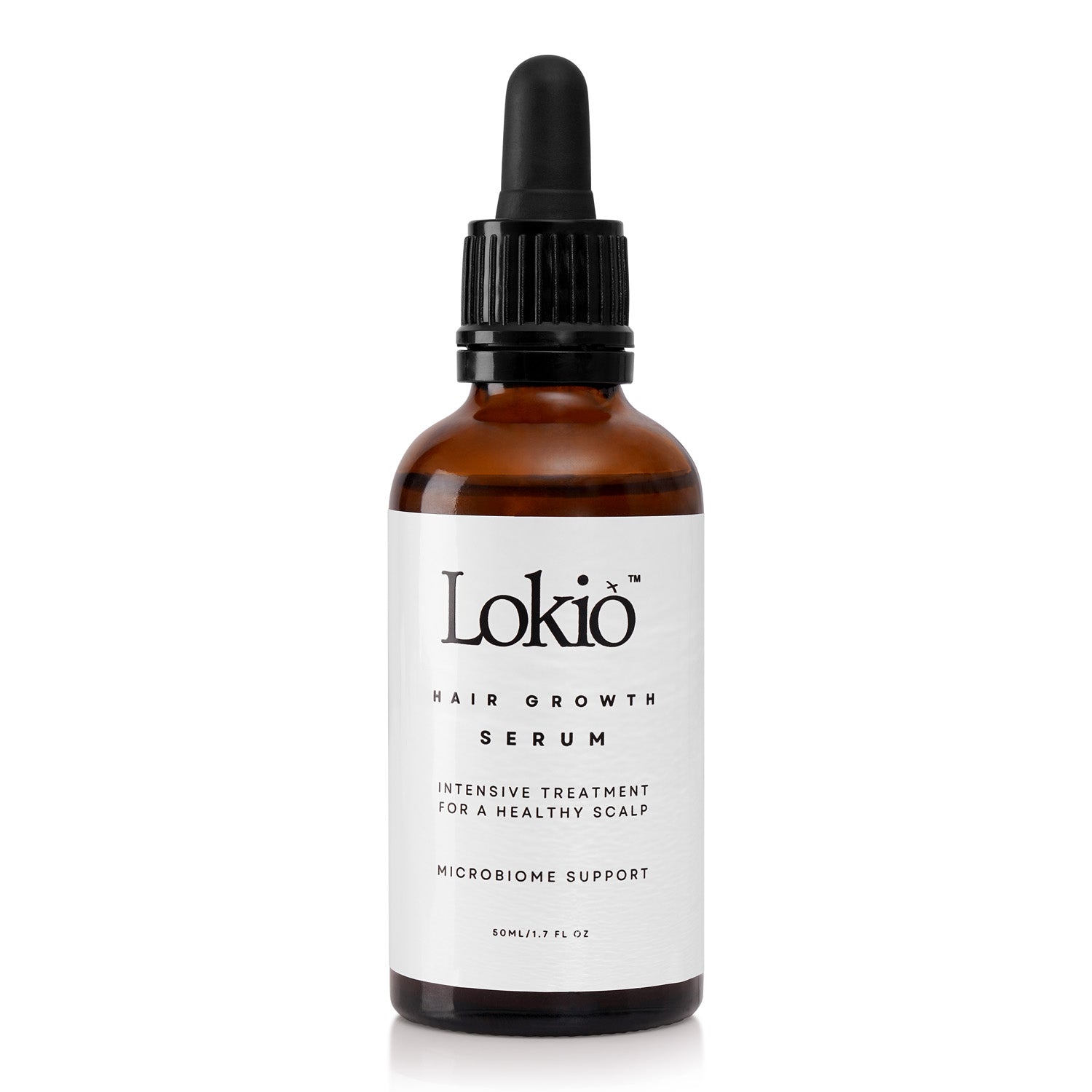
If you're experiencing thinning, a concentrated leave-in treatment can provide focused scalp nourishment to reduce hair fall and support the natural growth cycle. Unlike rinse-off products, lightweight, non-greasy formulas absorb quickly for continuous fortification.
Key ingredients for root-level nourishment include:
- Nettle Herb Extract: Rich in silica, sulphur, and antioxidants; combats DHT, improves circulation, detoxifies scalp, and stimulates follicles.
- Saw Palmetto Extract: Nature's DHT blocker; slows pattern hair loss by preventing follicle shrinkage.
- DL-Panthenol (Provitamin B5): Hydrates, strengthens shaft, reduces breakage, enhances shine and elasticity.
Stress Management
Stress doesn't just feel bad—it can literally push your hair follicles into a resting phase, causing increased shedding months after a stressful event. This condition, called telogen effluvium, is temporary but alarming.
Chronic stress can also trigger or worsen conditions like alopecia areata (patchy hair loss) and trichotillomania (compulsive hair pulling). Managing stress through exercise, meditation, adequate sleep, and professional support when needed isn't just good for your mind—it's good for your hair.
Sleep and Recovery
During sleep, your body enters repair mode. Blood flow to the scalp increases, delivering more nutrients to hair follicles. Growth hormone, which plays a role in hair cell reproduction, peaks during deep sleep.
Aim for 7-9 hours of quality sleep nightly. Your hair—and the rest of your body—will thank you.
The Complete Hair Care Routine
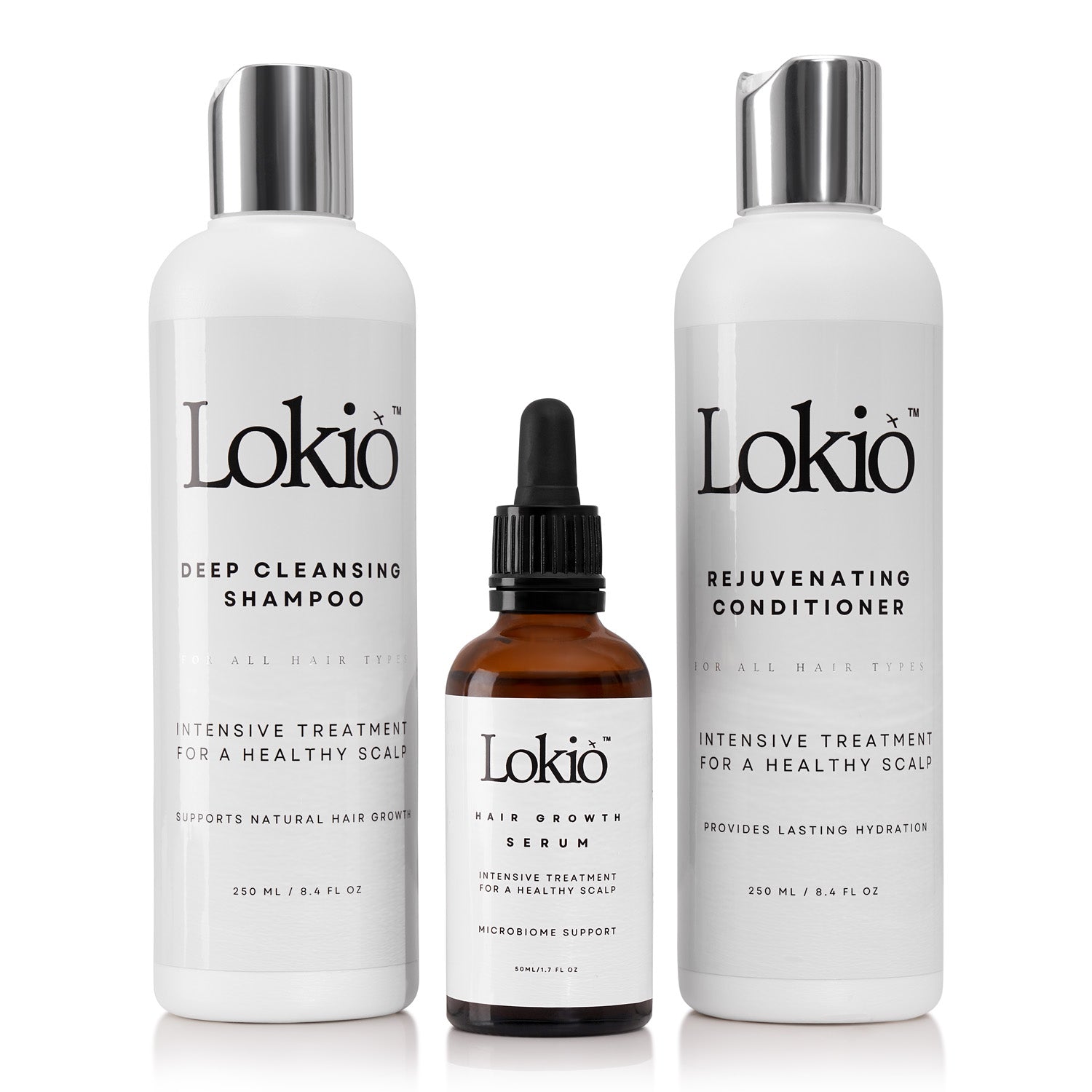
Think of your scalp as the soil in which your hair grows. Healthy soil produces healthy plants. A complete hair care routine should address:
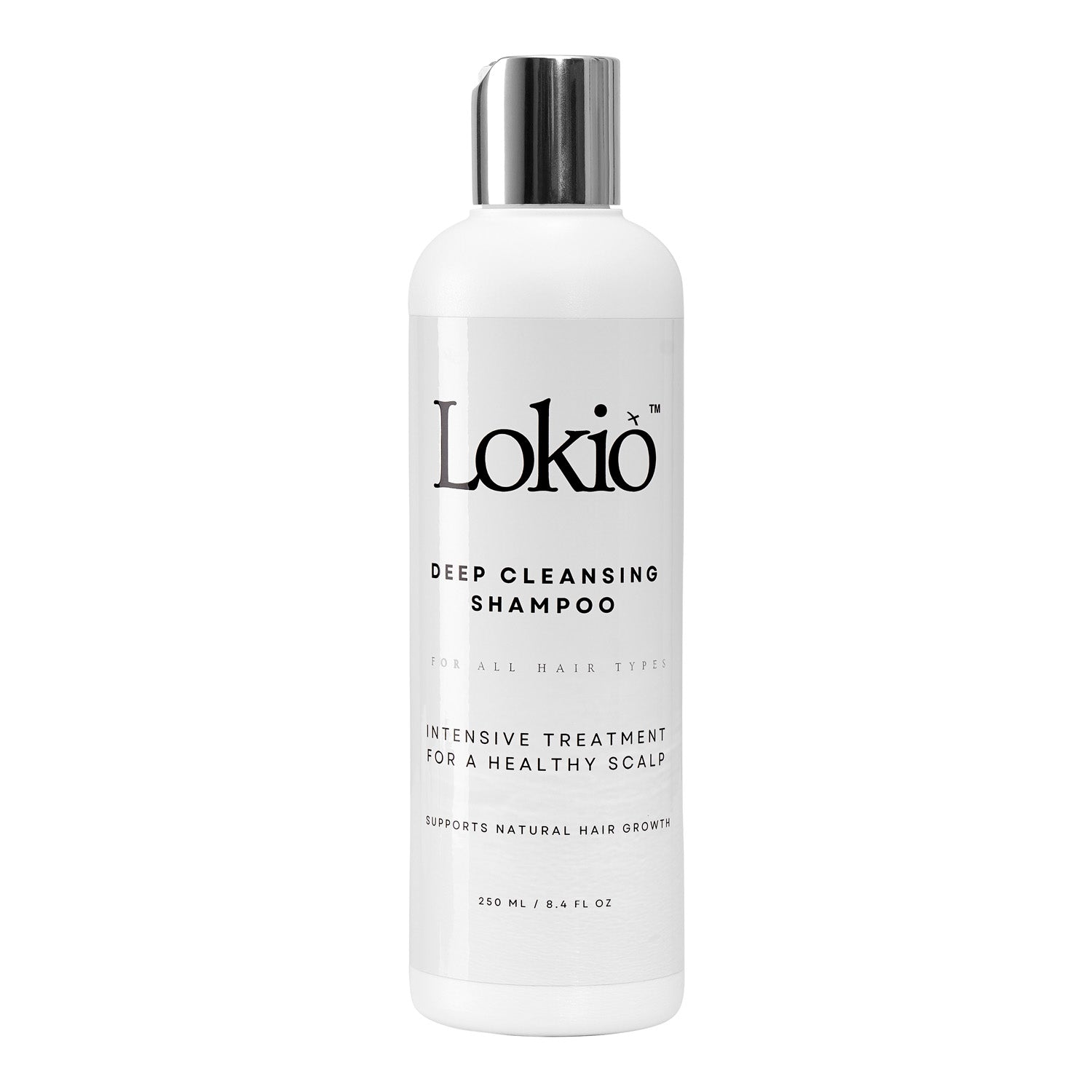
- Cleanse: Deep scalp purification that removes impurities, excess oil, and build-up without drying.
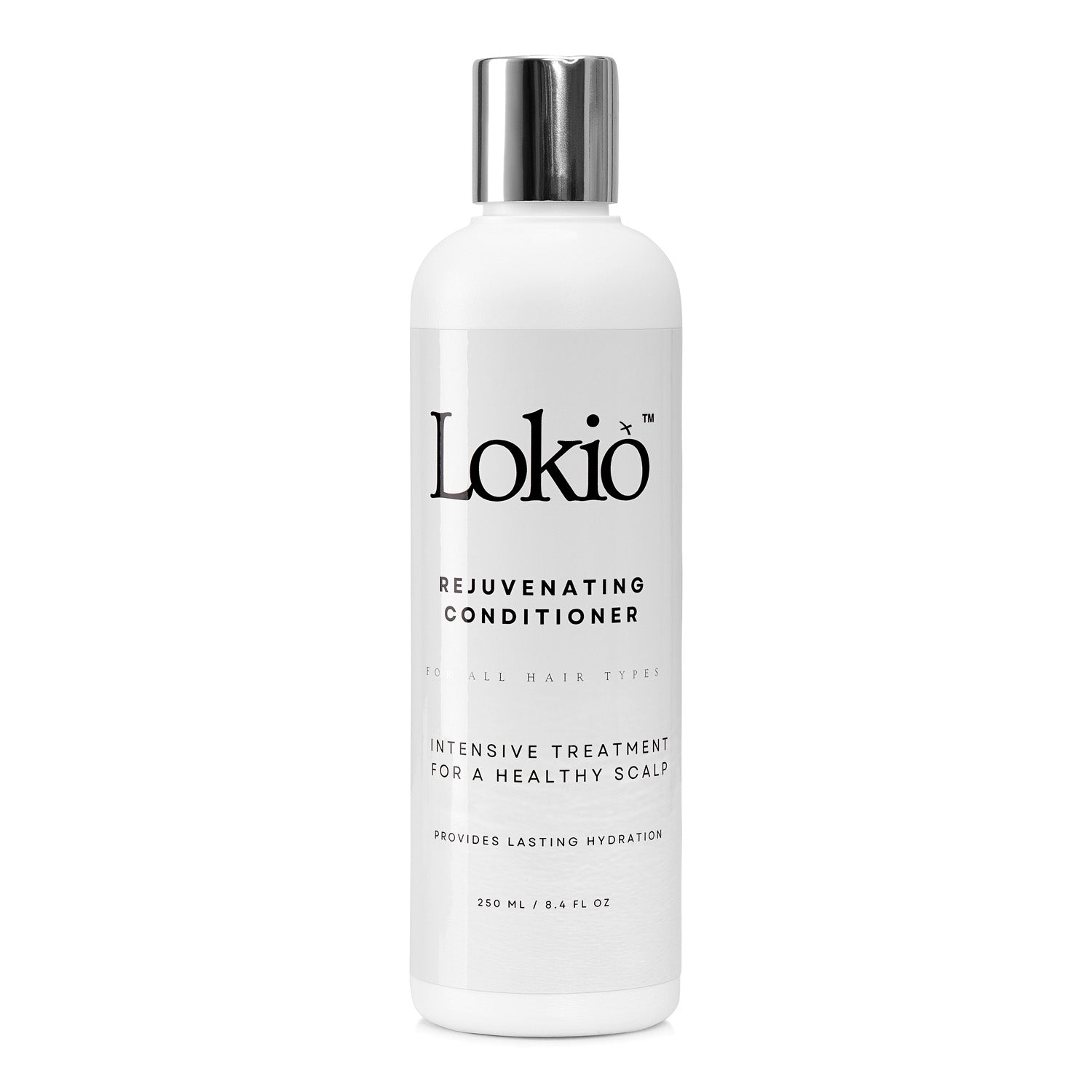
- Nourish: Deep hydration and conditioning that restores moisture, softness, and shine.
- Strengthen: Concentrated treatment that penetrates deep to revitalise follicles with vitamins and botanicals.
What to Avoid
Sometimes what you don't do matters as much as what you do:
- Avoid products with sulphates, parabens, and silicones that strip natural oils
- Avoid excessive heat styling, which damages the hair shaft
- Don't pull hair too tightly in styles like high ponytails or braids
- Limit chemical treatments that weaken hair structure
- Quit smoking—it reduces blood flow to the scalp
Healthy hair is a reflection of overall health. By nourishing your body, managing stress, and caring for your scalp with clean, natural products, you create the optimal conditions for your best hair yet. Experience improved scalp health in 2–3 weeks, with stronger, thicker-feeling hair over time.
Lokió — where healthy hair begins.

